Chew Toys for Dogs
Showing all 51 results
-
Chew Toys for Dogs2 Knot Rope Dog Chew Toy – Polyester Tug & Fetch Toy for Moderate ChewersOriginal price was: $2.00.$1.36Current price is: $1.36. Add to cart
-
Chew Toys for DogsBone Shaped Dog Chew Toy – Textured Nylon Chew for Extra-Small Dogs Up to 15 lbs$15.04 Add to cart
-
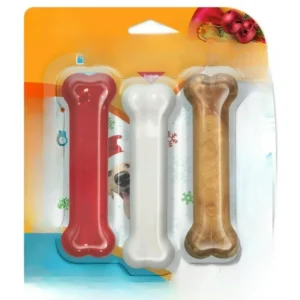
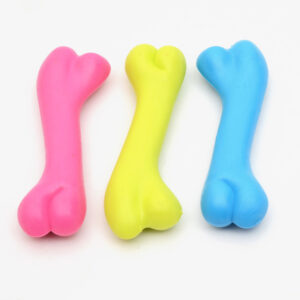
Chew Toys for DogsBone Shaped Puppy Chew Toy Starter Kit – 3 Pack for Small Dogs up to 25 lbs$14.30 Add to cart
-
Chew Toys for DogsCorn Shaped Squeaky Dog Toy – Latex Chew Toy for Small Dogs & Puppies$1.36 Select options This product has multiple variants. The options may be chosen on the product page
-
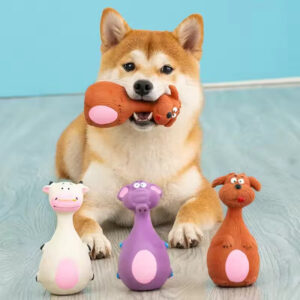
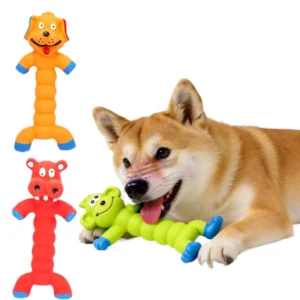
Chew Toys for DogsCute Animal Latex Dog Chew Toys, 4-Pack – Squeaky Puppy Teething Toys, 4 ColorsOriginal price was: $20.00.$15.83Current price is: $15.83. Add to cart
-
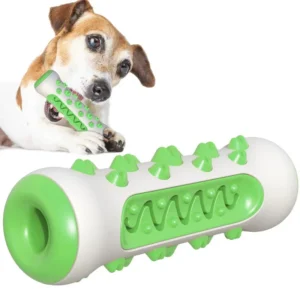
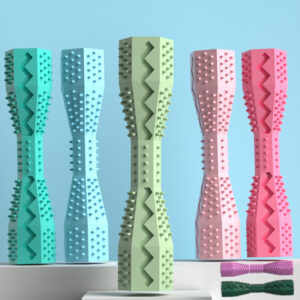
Chew Toys for DogsDental Chew Stick for Dogs, 2-Pack – Textured Toothbrush ToyOriginal price was: $15.00.$14.26Current price is: $14.26. Select options This product has multiple variants. The options may be chosen on the product page
-
Chew Toys for DogsDog Chew Toy Balls 4 Pack – Textured Rubber Fetch Balls for Small & Medium Dogs$6.74 Add to cart
-
Chew Toys for DogsDog Teeth Cleaning Toy Set: Squeaky Treat Dispensing Rubber Balls$1.36 Select options This product has multiple variants. The options may be chosen on the product page
-
Chew Toys for DogsDog Toothbrush Chew Toy – Rubber Molar Stick for Small, Medium & Large DogsPrice range: $1.36 through $1.95 Select options This product has multiple variants. The options may be chosen on the product page
-
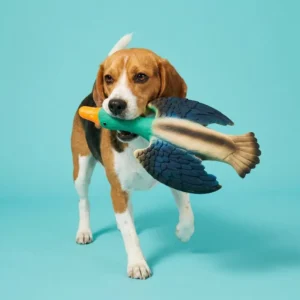
Chew Toys for DogsDuck Squeaky Dog Toy – Soft Latex & Plush Fiber Chew Toy for Fetch and Play$13.28 Add to cart
-
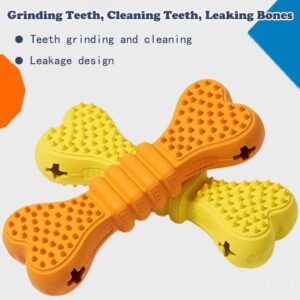
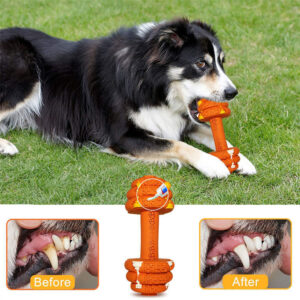
Chew Toys for DogsDumbbell Shaped Chew Toy for Aggressive Chewer DogsPrice range: $16.00 through $25.85 Select options This product has multiple variants. The options may be chosen on the product page
-
Chew Toys for DogsFloating Dog Ball – Hollow EVA Foam Fetch & Chew Toy for Puppies, Small & Medium Dogs$1.36 Select options This product has multiple variants. The options may be chosen on the product page
-
Chew Toys for DogsFunny Beer Bottle Dog Toy – Squeaky Plush Chew Toy in Soft Fleece for Small & Large Dogs$1.36 Select options This product has multiple variants. The options may be chosen on the product page
-
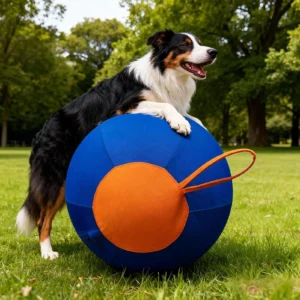
Chew Toys for DogsHerding Ball for Dogs – 17.7 Inch Inflatable Giant Dog Ball with Pump$23.93 Select options This product has multiple variants. The options may be chosen on the product page
-
Chew Toys for DogsHexagonal TPR Chew Toy for Dogs – Textured Molar Toy with Treat-Fill HolePrice range: $7.53 through $29.96 Select options This product has multiple variants. The options may be chosen on the product page
-
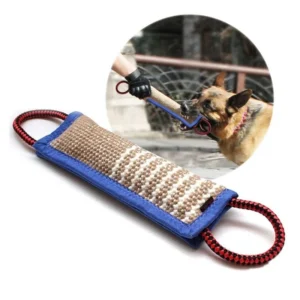
Chew Toys for DogsJute Chew Sticks for Dogs – Coarse Natural Fiber Chew Toy for All Breeds$5.06 Select options This product has multiple variants. The options may be chosen on the product page
-
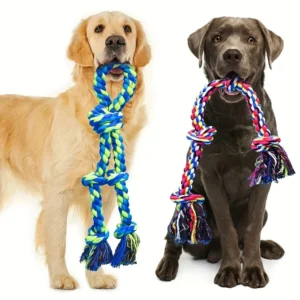
Chew Toys for DogsKnot Dog Toy, Durable Linen Rope Chew & Tug of War Toy for Medium and Large Dogs$3.89 Select options This product has multiple variants. The options may be chosen on the product page
-
Chew Toys for DogsLatex Squeaky Dog Ball – Rubber Chew & Fetch Toy for Small and Large Dogs, Chihuahua to Golden Retriever$1.36 Select options This product has multiple variants. The options may be chosen on the product page
-
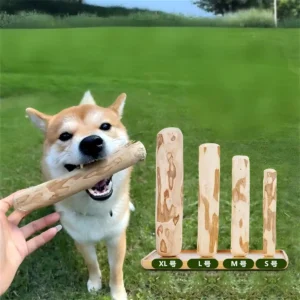
Chew Toys for DogsNatural Coffee Wood Dog Chew Stick, Wooden Chew Toy for Puppies and DogsPrice range: $1.36 through $1.73 Select options This product has multiple variants. The options may be chosen on the product page
-
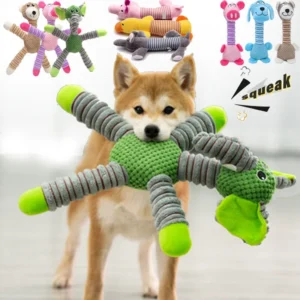
Chew Toys for DogsPlush Animal Squeaky Dog Toy, Soft Corduroy Chew Toy for Puppies and Dogs$1.36 Select options This product has multiple variants. The options may be chosen on the product page
-
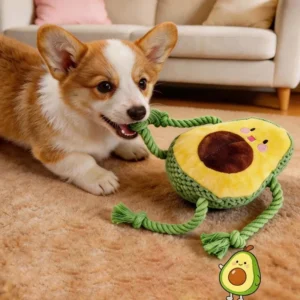
Chew Toys for DogsPlush Avocado Dog Toy, Soft Fleece Pillow Toy for Cuddling and Gentle Chewing$1.40 Select options This product has multiple variants. The options may be chosen on the product page
-
Chew Toys for DogsPlush Capsule Dog Toy with Squeaker, Soft Fleece Squeaky Chew Toy for DogsPrice range: $4.26 through $4.44 Select options This product has multiple variants. The options may be chosen on the product page
-
Chew Toys for DogsPlush Dog Toy with Bell, Soft Cartoon Fleece Toy for Puppies and Small Dogs$1.36 Select options This product has multiple variants. The options may be chosen on the product page
-
Chew Toys for DogsPlush Duck Dog Toy with Quacking Squeaker, Soft Fleece Chew Toy$1.36 Select options This product has multiple variants. The options may be chosen on the product page
-
Chew Toys for DogsPlush Fox Dog Toy with Crinkle Sound, Soft Fleece Chew Toy for Small Dogs$1.36 Select options This product has multiple variants. The options may be chosen on the product page
-
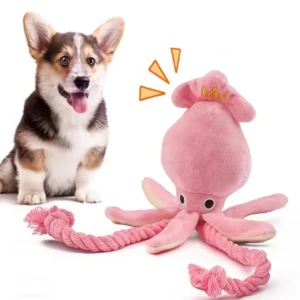
Chew Toys for DogsPlush Octopus Dog Toy with Squeaky Rope Legs, Soft Pink Fleece Chew Toy$1.36 Select options This product has multiple variants. The options may be chosen on the product page
-
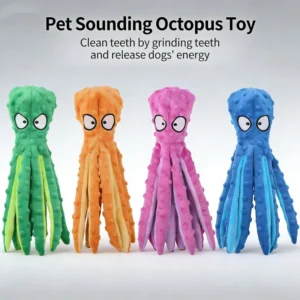
Chew Toys for DogsPlush Octopus Dog Toy, Non-Stuffed Soft Fleece Chew Toy for Small and Medium Dogs$1.36 Select options This product has multiple variants. The options may be chosen on the product page
-
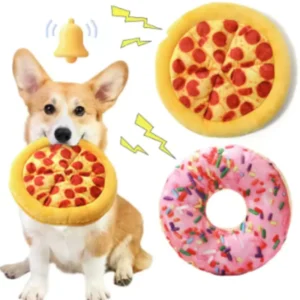
Chew Toys for DogsPlush Pizza Dog Toy – Squeaky Fleece Chew Toy for Small to Large Dogs & Puppies$1.36 Select options This product has multiple variants. The options may be chosen on the product page
-
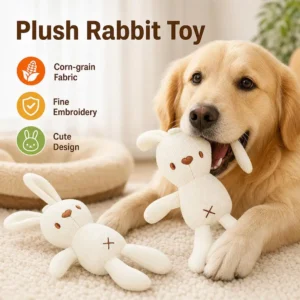
Chew Toys for DogsPlush Rabbit Dog Toy, Embroidered Corn Cartoon Fabric Toy for Small and Medium Dogs$1.36 Select options This product has multiple variants. The options may be chosen on the product page
-
Chew Toys for DogsPlush Snake Dog Toy with Squeaker, Soft Interactive Toy for Small Dogs$1.36 Select options This product has multiple variants. The options may be chosen on the product page
-
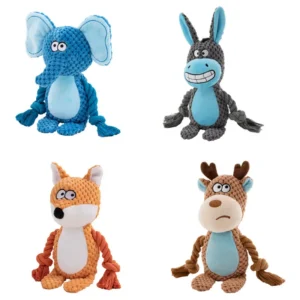
Chew Toys for DogsPlush Squeaky Dog Toy, Soft Fleece Elephant, Fox, Elk and Donkey Toys for Small DogsPrice range: $3.78 through $4.48 Select options This product has multiple variants. The options may be chosen on the product page
-
Chew Toys for DogsReusable Dog Dental Chew Toy with Rope – Blue Nubby Plastic Toy for Small & Medium Dogs$1.36 Select options This product has multiple variants. The options may be chosen on the product page
-
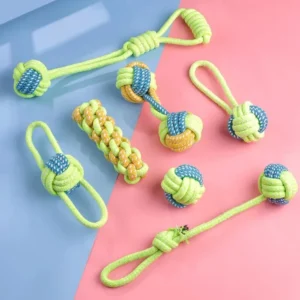
Chew Toys for DogsRope Ball Dog Toy, Round Knotted Linen Rope Chew and Tug ToyPrice range: $1.36 through $10.26 Select options This product has multiple variants. The options may be chosen on the product page
-
Chew Toys for DogsRubber Bone Dog Chew Toy – 6 Inch Paw Print Bone for Small, Medium & Large Dogs$1.83 Select options This product has multiple variants. The options may be chosen on the product page
-
Chew Toys for DogsRubber Dog Ball with Rope, Durable Tug and Fetch Chew Toy in 3 Sizes$1.36 Select options This product has multiple variants. The options may be chosen on the product page
-
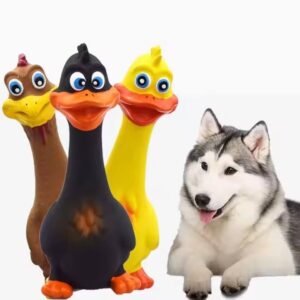
Chew Toys for DogsScreaming Chicken Dog Toys, 3-Pack – Squeaky Latex Chew Toys for Small to Medium DogsOriginal price was: $15.00.$13.76Current price is: $13.76. Select options This product has multiple variants. The options may be chosen on the product page
-
Chew Toys for DogsSlipper Dog Chew Toy – Cotton Rope Toy for Chewing & Tug Play, Random Color$2.70 Select options This product has multiple variants. The options may be chosen on the product page
-
Chew Toys for DogsSolid Rubber Dog Ball – Bouncy Non-Squeak Fetch & Chew Ball in 2 Sizes for Small to Large Dogs$1.36 Select options This product has multiple variants. The options may be chosen on the product page
-
Chew Toys for DogsSpiked Rubber Chew Toy for Small Dogs – Squeaky TPR Ball for Teething, Fetch & PlayPrice range: $1.36 through $4.73 Select options This product has multiple variants. The options may be chosen on the product page
-
Chew Toys for DogsSqueaky Dog Ball with Funny Face, Soft Latex Chew Toy for Fetch and Play$1.36 Select options This product has multiple variants. The options may be chosen on the product page
-
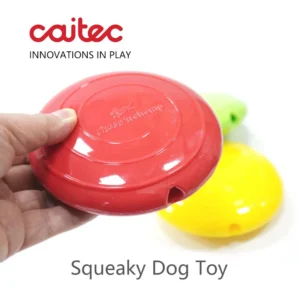
Chew Toys for DogsSqueaky Foraging Disc for Dogs, Treat Dispensing Floatable TPR Fetch ToyPrice range: $12.55 through $43.04 Select options This product has multiple variants. The options may be chosen on the product page
-
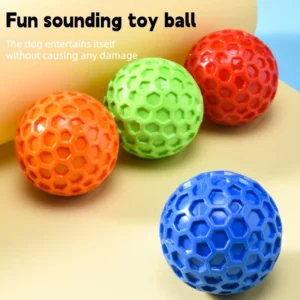
Chew Toys for DogsSqueaky Honeycomb Dog Chew Ball – Waterproof TPR Fetch Toy for Small, Medium & Large Dogs$1.36 Select options This product has multiple variants. The options may be chosen on the product page
-
Chew Toys for DogsSqueaky Latex Dog Toy, Monkey and Hippo Shaped Animal Chew Toy for Dogs$1.36 Select options This product has multiple variants. The options may be chosen on the product page
-
Chew Toys for DogsSqueaky Rubber Dog Bone Chew Toy, Textured Toothbrush Style Toy for Puppies and Dogs$1.36 Select options This product has multiple variants. The options may be chosen on the product page
-
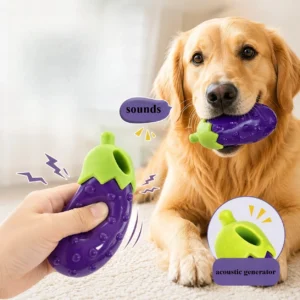
Chew Toys for DogsSqueaky Veggie Dog Toy, TPR Rubber Chew Toy in Carrot, Corn or Eggplant ShapePrice range: $5.54 through $6.18 Select options This product has multiple variants. The options may be chosen on the product page
-
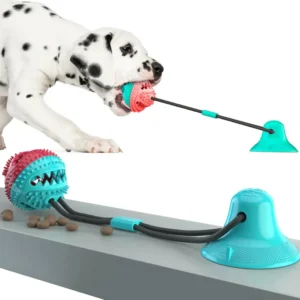
Chew Toys for DogsSuction Cup Dog Toy – Interactive Tug & Chew Ball Toy in Rubber and PlasticPrice range: $7.14 through $7.49 Select options This product has multiple variants. The options may be chosen on the product page
-
Chew Toys for DogsTPR Chew Toy for Dogs with Food Clip Design – Durable Treat-Holding Toy, 7 ColorsOriginal price was: $8.13.$7.66Current price is: $7.66. Select options This product has multiple variants. The options may be chosen on the product page
-
Chew Toys for DogsTPR Rubber Bone Chew Toy for Dogs – Durable Bite-Resistant Molar ToyPrice range: $7.20 through $7.32 Select options This product has multiple variants. The options may be chosen on the product page
-
Chew Toys for DogsTPR Squeaky Dog Chew Ball for Small & Medium Dogs – Animal Print Rubber Toy for Solo Play$1.36 Select options This product has multiple variants. The options may be chosen on the product page
-
Chew Toys for DogsTPU Dog Chew Ball for Small Dogs – 2.5 Inch Round Toy for Chewing & Chasing$1.36 Select options This product has multiple variants. The options may be chosen on the product page




















Chew Toys for Dogs Built for Real Chewing Habits
Dogs chew to explore, to burn off energy, and to keep their jaws busy. The right chew toy gives that instinct a safe outlet and keeps your shoes and furniture intact. This collection brings together non-edible chew toys for dogs, including rubber chews, rope toys, plush squeakers, and textured sticks, so you can match each toy to your dog’s size, age, and chewing strength.
Every toy here is made for play and chewing, not eating. There are no treats, rawhide, or edible chews, so each toy can be rinsed, reused, and kept in rotation. Browse the options below, then check each product page for exact dimensions before you order.
Why Dogs Chew and What a Good Chew Toy Does
Chewing is normal canine behavior. Puppies chew while teething, adult dogs chew from boredom, excess energy, or curiosity, and many simply enjoy it. A suitable chew toy redirects that habit toward something safe, so your dog has an appropriate object to work on instead of table legs, shoes, or cables. Consistent access to one or two good toys also makes it easier to teach your dog what is and is not allowed.
How to Choose the Right Chew Toy for Your Dog
Three factors decide whether a chew toy works: your dog’s chewing style, body size, and the toy’s material. Getting all three right prevents torn toys, swallowed pieces, and wasted money.
Match the Toy to Your Dog’s Chewing Style
Gentle chewers
Dogs that mouth and carry toys more than they gnaw do well with soft plush toys and flexible rubber. A squeaker adds interest without much wear.
Moderate chewers
Dogs that chew steadily but do not destroy toys suit rope toys, rubber balls, and textured rubber bones.
Power chewers
Dogs that shred toys quickly need dense rubber designs. Plush toys tear fast under strong jaws, so supervise every session and replace toys at the first sign of damage.
Choose the Right Size
Pick a toy your dog cannot fit entirely in the mouth or swallow. A toy that is too small can become a choking hazard, while one that is too large may be hard to carry. If your dog falls between sizes, choose the larger one and compare the measurements on the product page.
Compare Chew Toy Materials
| Material | Best for | Keep in mind |
|---|---|---|
| Rubber (TPR) | Moderate to strong chewers, fetch | Replace when cracked or when pieces come off |
| Rope | Tug of war, moderate chewers | Remove the toy once fibers start to unravel |
| Plush with squeaker | Puppies, gentle chewers, cuddling | Tears quickly under strong chewing |
| Natural wood | Calm gnawing with supervision | Can splinter and wears down with use |
Chew Toy Types in This Collection
Rubber Chew Toys and Balls
Rubber holds its shape through repeated chewing and rinses clean in seconds. Try the rubber dog ball with rope for fetch and tug, or the squeaky rubber dog bone for a textured chew.
Rope and Tug Toys
Knotted rope gives both of you a secure grip. The knot dog toy is sized for medium and large dogs who enjoy tug of war.
Plush Squeaky Toys
Soft toys with a squeaker suit puppies, small dogs, and gentle chewers. The muscle bear dog toy combines a plush body with a rubber belly, and the plush duck dog toy adds a quacking sound.
Textured Chews
Bumps and ridges give your dog an interesting surface to work on. The dog dental chew sticks come as a 2-pack. Textured toys are not a substitute for brushing, and only products carrying the Veterinary Oral Health Council seal have been accepted for plaque or tartar control claims.
Chew Toy Safety Checklist
- Supervise your dog, especially with a new toy.
- Choose a size your dog cannot swallow.
- Avoid toys so hard that you cannot press a thumbnail into them, since very hard items can damage teeth.
- Throw away toys that crack, fray, tear, or lose pieces.
- Rotate two or three toys so each one stays interesting.
- Take away plush toys if stuffing or squeakers become exposed.
Chew Toys by Life Stage
Puppies
Most puppies teethe between about 3 and 6 months, and chewing helps them cope. Choose soft, size-appropriate toys and supervise every session.
Adult Dogs
Adult dogs usually need a mix of chewing and play. Pair a durable rubber toy with a rope or plush toy to cover both.
Senior Dogs
Older dogs often prefer softer, lighter toys. If your dog has sore gums or dental problems, check with your vet before introducing a firm chew.
Why Non-Edible Chew Toys
Edible chews add calories and can upset some dogs’ stomachs. Non-edible toys last for months, cost less over time, and are simpler to clean. Our snuffle mats and calming beds follow the same idea, so your dog’s whole routine can stay non-edible and reusable. Start from the Coozy Paw homepage to see every category.
Cleaning and Replacing Chew Toys
Rinse rubber toys with warm water and mild soap, then air dry. Spot clean plush and rope toys with a damp cloth, and check each product page because some materials are not water resistant. Replace any toy that is cracked, frayed, torn, or small enough to swallow.
Shipping Across the USA
We ship to customers across the United States. Orders typically arrive within 7 to 14 business days, and tracking is provided once your order ships.
Other Dog Products Available at Coozy Paw:
Frequently Asked Questions About Dog Chew Toys
What is the best chew toy for dogs that chew everything?
Dense rubber toys sized slightly large for your dog are the best starting point. Avoid plush toys for heavy chewers and replace any toy that cracks.
How do I know which chew toy size to buy?
Choose a toy your dog cannot swallow whole or fit completely in the mouth. When between sizes, pick the larger one.
Are rubber chew toys safe for dogs?
Rubber toys are a common choice for chewing when sized correctly and used with supervision. Replace them once they crack or pieces break off.
What are the best chew toys for puppies?
Soft, size-appropriate rubber and plush toys suit teething puppies. Supervise play, since puppies are still learning what is safe to chew.
Are rope toys safe for dogs?
Rope toys work well for tug and light chewing. Remove the toy once it frays, because swallowed fibers can cause problems.
Are plush squeaky toys good for aggressive chewers?
No. Plush toys tear quickly under strong jaws. Power chewers do better with dense rubber, and any toy needs supervision.
Do chew toys clean a dog’s teeth?
Textured toys give chewing a satisfying surface, but they do not replace brushing or veterinary dental care.
How often should I replace a dog chew toy?
Replace a toy as soon as it cracks, frays, tears, or becomes small enough to swallow. Heavy chewers may need new toys more often.
Are your chew toys edible?
No. Every toy in this collection is non-edible and made for chewing and play only.
Why does my dog chew everything?
Puppies chew while teething, and dogs of any age chew from boredom, excess energy, or curiosity. Offering suitable chew toys gives that habit a safe outlet.
Can I leave a chew toy with my dog when I am away?
Only leave a toy you have already watched your dog use safely. Plush and rope toys are best used with supervision, since they can tear or fray.
